
Etsy is one of the clearest marketplaces in the world when it comes to what you can and cannot sell, and that clarity is actually good news for anyone running a dropship-style business the right way.
You cannot resell finished mass-produced goods on Etsy, but you absolutely can run a dropship-style operation through declared production partners, print-on-demand services included, as long as you own the design and attribute the partner correctly.
The three obligations that actually decide whether your shop survives are registering your production partners, setting listing attribution correctly, and meeting Etsy’s shipping and tracking requirements for Star Seller status.
Walt Disney said it best. “The way to get started is to quit talking and begin doing.” Read the rules once, set up the paperwork once, then build the shop. The sellers who last on Etsy are the ones who treat compliance as a one-time setup, not a never-ending puzzle.
What the Etsy policy actually says about reselling and production partners
Etsy draws a sharp line between reselling and using a production partner, and that line decides whether your shop survives. Reselling means buying finished, mass-produced goods from a supplier and listing them as-is. That is banned, full stop. A production partner is different. A production partner is an outside business, print-on-demand services included, that physically manufactures items based on your own original designs. Etsy allows this model fully, as long as you declare the partner inside Shop Manager and the design is genuinely yours.
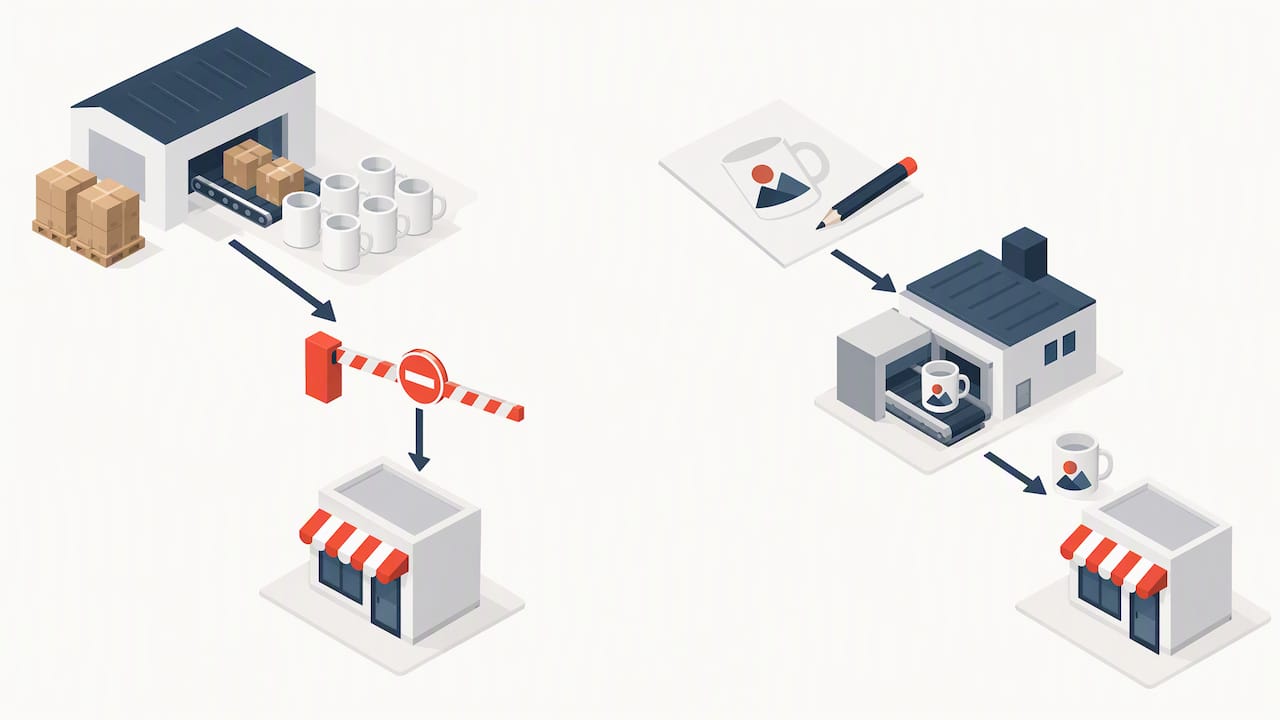
Three attribution terms show up constantly inside Shop Manager, and mixing them up gets shops flagged fast. “Designed by a seller” means you created the design and a declared partner produced it. “Made by a seller” means you physically made the item yourself, with no partner involved. “Handpicked” applies narrowly to vintage items and craft supplies you sourced rather than made or designed. Etsy also allows a narrow craft and party supplies exception, where raw materials, findings, and party decor components can be listed as sourced goods rather than handmade, so long as the category and disclosure are accurate.
The step-by-step checklist for setting up production partners the right way
Here is exactly how I have my students structure the shop before they list a single item.
- Go to Shop Manager, Settings, then Production Partners and click Add a production partner. Enter a descriptive label such as “Printing partner” or “Embroidery partner” rather than a vendor’s brand name, then fill in their location and what they do, print, cut, assemble, and so on.
Realistic payoff. This single setup step prevents the paperwork flag that catches roughly 60 to 70 percent of new POD shops in their first three weeks on the platform. - Open each listing you want to attach a partner to, scroll to the Production partners field, and select the partner you just registered.
Realistic payoff. A clean attribution pass across 20 to 50 listings is usually a two-hour job that saves weeks of back-and-forth with Etsy support later. - Change the Who made it field to “A member of my shop with help from a production partner,” then select “I designed it” for the origin question. Leaving this on Made by a seller when a partner actually produces it is one of the fastest ways to get flagged.
Realistic payoff. Correct attribution almost always drops a first-time violation from “listing deactivation” to “warning and fix,” which keeps your momentum intact instead of resetting your shop to zero. - For shops with many existing listings, use the Listings grid bulk-edit tool to select multiple items and attach the same partner at once instead of editing them one by one.
Realistic payoff. Bulk editing turns a two-day cleanup on a 200-listing shop into a 90-minute session, which is time you can put back into design and keyword work. - On your About page, disclose that you work with production partners in general terms. You can keep specific vendor names private, but understand that hiding a name from your public page does not remove the declaration from Etsy’s internal records.
Realistic payoff. A clear About-page disclosure tends to lift buyer trust, which is why POD shops that disclose honestly typically see conversion rates 10 to 20 percent higher than shops that leave buyers guessing.
Mentor Tip. I have my students write the partner-name field the way they would describe a job title, not a company, so it reads clearly to both Etsy and curious customers.
What gets Etsy shops flagged and how to stay off that list
Almost every enforcement action I have seen traces back to a handful of avoidable mistakes.
- Buying ready-made, branded, or mass-produced goods from a wholesale catalog and listing them as your own product.
- Listing an item as Made by a seller when a production partner actually manufactured it.
- Never registering a partner at the account level before attaching it to a listing.
- Using stock photos from a supplier’s catalog instead of your own product images.
That last point matters because enforcement is usually triggered by paperwork defaults, not by a manual review of your supplier relationships. When attribution defaults to Made by a seller and no partner is on file, the system flags it automatically.
The enforcement ladder normally runs in a predictable order. A warning or listing deactivation first, then temporary restrictions on new listings, then suspension for repeated or severe violations. First-time paperwork errors usually get resolved by fixing the attribution and partner registration and requesting a review. Keep records of your design files, partner agreements, and production timelines. If Etsy ever asks for proof that you own the design, you want that answer ready in minutes, not days. My supplier vetting checklist and my print-on-demand breakdown both go deeper on the documentation side.
Shipping, tracking, and Star Seller rules every POD seller must handle
Running a production partner model does not remove your shipping responsibilities, it just changes who physically ships the box. For US orders of ten dollars or more, you must provide tracking to mark the order complete, and Etsy expects 95 percent of your orders to carry tracking numbers to qualify for Star Seller status. That rate is measured on a rolling basis, so one slow week can hurt your average for months.
Your production partner usually generates the tracking number, but you are the one responsible for getting it into Etsy’s system. A few patterns make that easier.
- Many POD integrations sync tracking automatically through your platform’s connection to Etsy.
- If a partner emails tracking manually, build a daily habit of uploading it before the end of your shift.
- Etsy shipping labels upload tracking automatically and are the simplest option for most sellers.
- Etsy gives you a three-day window to edit tracking after marking an order shipped, so catch mistakes fast.
For a deeper look at the fulfillment setup, my guide to fulfilling dropshipping orders covers the automation options worth testing, and my dropship automation breakdown walks through the tools that keep tracking flowing without a daily scramble.
The seven-step playbook I teach Etsy POD sellers
I have mentored thousands of students through dropship-style businesses, and the ones who last on Etsy follow a consistent sequence.
- Validate the niche before you design anything. Check what is already selling and where the real gap is.
- Own the design. Create or commission original artwork, patterns, or product concepts you can prove are yours.
- Register your production partner inside Shop Manager before you list a single product.
- Set attribution correctly on every listing, designed by a seller with help from a production partner.
- Automate fulfillment through your POD platform’s Etsy integration so orders route to your partner instantly.
- Build a tracking routine. Check your Star Seller dashboard weekly, not monthly.
- Scale what works, then appeal fast if anything gets flagged, using your design records as proof.
The most common mistake I see is sellers skipping step three and jumping straight to listing products, which almost guarantees a paperwork flag inside the first few weeks. The second most common mistake is treating tracking as optional busywork instead of a daily habit. My print-on-demand guide, my t-shirt print-on-demand breakdown, and my niche validation steps all expand on parts of this playbook in depth.
Mentor Tip. I have my students build their tracking-sync check into the same daily routine as checking new orders, so it never becomes a once-a-week scramble.
Why owning the design beats chasing the quick resell every time
Sellers who treat Etsy as a reselling shortcut almost always burn out fast, either from suspension or from margins that never improve. The ones who last treat design ownership as the actual product, with fulfillment running as a background process they control rather than depend on.
When you own the design and manage your production partner relationship deliberately, you build a real business that keeps running when Etsy updates a policy. Shops that depend on reselling other people’s products are the ones that go dark overnight when the rules shift. My branded dropshipping guide and my private label breakdown cover the moves that stretch design ownership into a long-term brand.
How DropshipXL helps you build a compliant Etsy shop fast
Setting up production partners, fixing listing attribution, and building a tracking routine takes real time to get right on your own, and most new sellers lose weeks to trial and error before it gets clean. My MVP PRO Dropship Design Package handles the setup for you, store build, production partner registration guidance, correct listing attribution, and a tracking workflow designed to keep you inside Star Seller thresholds from day one.
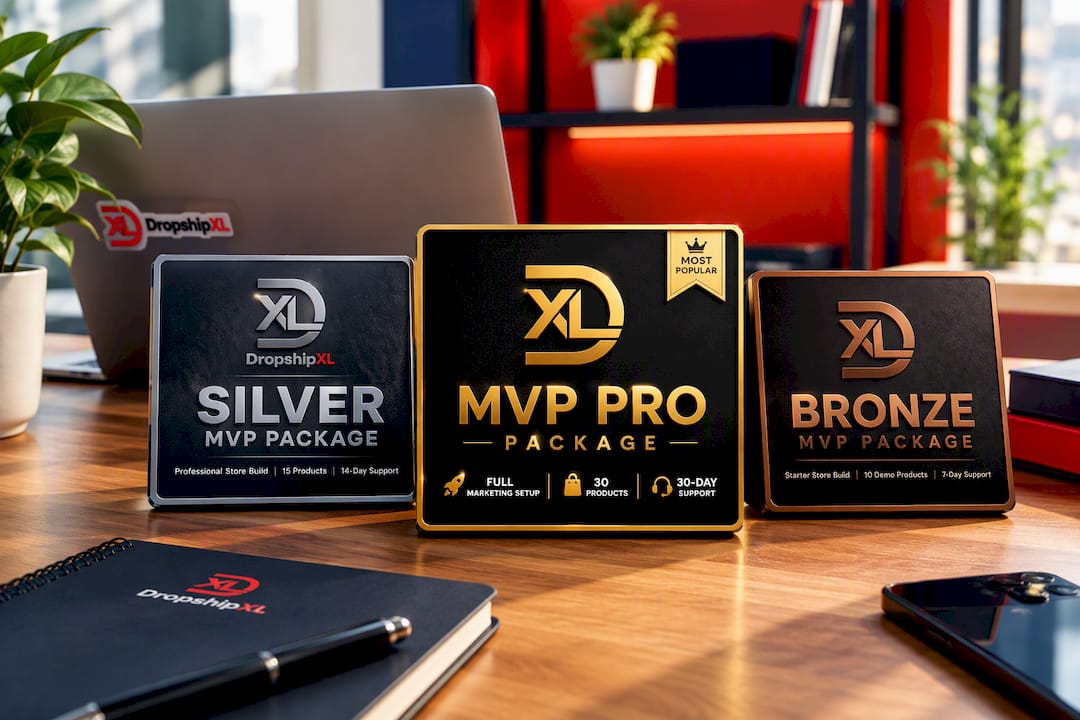
Pair that with the DropshipXL Academy Membership and you get the full seven-step process plus ongoing mentoring to help you scale once your shop is live. If you would rather talk through your specific niche first, book a free 30-minute dropship mentoring call and get a straight answer on what fits your situation. My DFY Focus 1 and Mentoring package is a lighter option for anyone who wants a single, high-converting page and direct guidance.
FAQ
Can you realistically make 10,000 a month on Etsy
Some established Etsy shops reach that level, but it usually takes a proven product, consistent traffic, and a reliable production partner relationship built over time rather than in the first few months. Results vary widely by niche, design quality, and how consistently you manage listings and fulfillment.
Which platform is best for a dropship-style business
There is no single best platform, since the right choice depends on your product type, your target market, and whether you need POD production, warehousing, or a mix of both. Etsy works best for original, design-led products with a declared production partner, not for generic resold goods.
Is dropshipping on Etsy actually worth it in 2026
It can be, but only through the compliant production-partner or POD model, since traditional reselling of finished goods violates Etsy policy and risks suspension. Sellers who own their designs and manage fulfillment carefully tend to build more durable shops than those chasing quick resells.
Can I make 10,000 a month dropshipping in general across platforms
Some dropshippers across various platforms reach that income level, but it usually follows months of testing products, refining ad spend, and building a reliable fulfillment process rather than happening right away. Consistent results depend far more on product validation and operational discipline than on any single platform choice.

Here are 4 other ways I can help you when you're ready: