
Do you know what makes a customer remember your store tomorrow or a week from now? Branded dropshipping means selling supplier-made items under your own store identity, using custom packaging, inserts, and consistent visuals instead of generic reseller listings.
Audience first, brand second. Get crystal clear on who you serve and the ongoing problem you solve for them before you touch a logo file, because the brand only matters as a signal to a specific audience. It fits founders who want brand control without warehousing stock. Start by testing one branded SKU through a print-on-demand partner or small-batch supplier before you commit real money. Pair this with my overview on how dropship store design dramatically increases sales for the design side of the equation.
What Branded Dropshipping Actually Is
Branded dropshipping means you sell supplier-made products under your own store name, logo, and packaging, while a partner still handles inventory and shipping. Traditional dropshipping skips branding entirely. The customer often gets a plain box with a packing slip from a supplier they have never heard of, sometimes even a competitor’s name. Private label dropshipping goes further in the other direction, requiring you to own product formulas or designs outright, usually with big minimum order quantities.
Branded dropshipping sits in between. You are not manufacturing anything, but you are also not invisible. Common branded touches include:
- A logo sticker or custom mailer replacing the generic box.
- A printed insert card with a discount code or thank-you note.
- Branded polybags instead of the supplier’s default packaging.
- Consistent product photography across every listing.
- Order confirmation and shipping emails that carry your store’s voice.
The catch is “blind dropshipping,” where a supplier ships without revealing their own branding. Not every supplier offers it, and packaging customization often requires a minimum order quantity, which is why I have my students start with digital branding and add physical packaging once volume justifies it. For a visual sense of what branded stores look like at scale, my examples of lifestyle brand dropshipping rundown is worth bookmarking.
Why Branding Beats Generic Dropshipping Long-Term
A generic dropshipping listing competes on price alone, and price wars have no winners except the customer. Branded dropshipping lets you charge a premium because you are selling an experience, not just an item. A candle in a plain poly bag looks like a commodity. The same candle with a branded label, a thank-you card, and a matching Instagram feed looks like something worth $28 instead of $14.
The bigger payoff shows up in repeat purchases. Customers remember brands, not SKUs. They come back to a store name they recognize, not to “generic supplier item #4471.” That repeat behavior compounds into real revenue, which is exactly why my overview on why repeat buyers matter for dropshipping profits is required reading at this stage.
The trade-offs are real, though:
- More time spent vetting suppliers who can actually support branding.
- Slightly higher upfront costs for logo design, packaging inserts, and product photography.
- Slower initial setup than dropping a supplier’s catalog straight into your store.
None of that is a dealbreaker. It is the cost of building something that outlasts a single ad campaign.
The 7-Step Checklist I Walk Students Through for Branded Dropshipping
You do not need a warehouse or a five-figure budget to test whether a branded product will sell. You need a tight, sequenced process that kills bad ideas fast and doubles down on good ones.
- Pick a niche with repeat-buy potential. Consumables, accessories, and gift-adjacent items outperform one-and-done purchases because they generate reorders without extra ad spend.
- Validate before you brand anything. Run a simple landing page or a handful of social posts with mockup images. If nobody clicks or comments, do not order a single sample yet. My guide on validating a dropshipping niche covers the lean testing framework.
- Order samples from two or three suppliers. Judge quality, packaging flexibility, and how closely tracking numbers match promised delivery windows.
- Build minimum viable branding. A clean logo, one consistent photography style, and a simple pack-in card cover most of the perceived value gap. You do not need custom molded packaging yet.
- Set up store essentials. Product pages with real specifics (materials, sizing, use cases), a trust page addressing shipping times honestly, and a clear return policy. Trust badges at checkout finish the job.
- Launch a micro-ad experiment. Spend a small, defined budget, enough to generate 50 to 100 clicks, and watch conversion rate and cost per purchase before scaling spend.
- Set a decision threshold. If you are not profitable or close to it after your first real ad test, kill the SKU and move to the next candidate instead of pouring more money into a loser.
Mentor Tip: I have my students order their own samples before they ever list a product. Photograph them yourself under real lighting instead of relying on supplier stock photos. Nothing else moves conversion more at this stage.
Early metrics that matter: click-through rate on your ads, add-to-cart rate on your product page, and repeat purchase rate in the first 60 days. If those three numbers trend up together, you have found a SKU worth building a real brand around.
Which Products Actually Reward the Branding Investment
Not every category rewards branding equally. Some products are basically invisible without it. Others barely need it. The categories below tend to reward the branding investment fastest:
- Apparel and print-on-demand goods. Custom designs and consistent sizing charts build trust quickly, and POD partners handle branded packaging without big minimum orders.
- Accessories (jewelry, bags, phone cases). Small, giftable, and highly photogenic, which means branded photography does most of the heavy lifting.
- Home decor. Buyers pay a premium for items that look curated rather than mass-produced, so styled photos matter more than spec sheets.
- Beauty and personal care. Ingredient transparency and packaging quality drive trust, but check labeling regulations before you customize anything that touches skin.
- Fitness and wellness gear. Repeat purchases (replacement bands, refills, accessories) reward brand loyalty over one-time sales.
- Small electronics accessories. Cases, cables, and chargers benefit from clean packaging since buyers associate tidy boxes with reliable products.
If customers will not pay the premium, the branding investment is not paying off yet. For a wider look at how brand-focused stores actually operate, these examples of successful dropshipping stores show what the fully built-out version looks like.
What You Should Brand First (And What It Will Cost)
Budget matters here, and spreading it thin across ten small upgrades usually beats one expensive gesture. The highest return typically comes from a professional logo, consistent product photography across every listing, and branded transactional emails, not custom-molded packaging.
Here is a realistic breakdown of what founders actually spend early on:
| Brand element | Typical early investment | ROI timing |
|---|---|---|
| Logo and basic brand kit | $50 to $200 | Immediate, used everywhere |
| Product photography | up to $200 | Immediate |
| Branded email templates | up to $50 | Fast, boosts trust at checkout |
| Insert cards or thank-you notes | $0.10 to $0.50 per unit | Builds after first repeat orders |
| Custom packaging (polybags, boxes) | Often requires MOQ of 100 units or more | Delayed until volume justifies it |
Supplier packaging options usually fall into three tiers: blank generic packaging (fastest, cheapest), your logo added to existing packaging (moderate MOQ), and fully custom-molded packaging (highest MOQ, longest lead time). Most founders should stay in tier one or two until incremental branding through POD or small-batch runs has already proven the product works.
How to Vet a Supplier That Can Actually Support Branding
A supplier who cannot support branding will quietly sabotage every marketing dollar you spend. Use this sequence before you commit to anyone:
- Ask directly about blind dropshipping. Confirm in writing that their packaging, invoices, and return address will not reveal their name to your customers.
- Request their packaging customization options and MOQs. Get specifics, not vague promises, on logo stickers, custom inserts, and full custom boxes.
- Order a real sample under your own name. Check build quality, packaging condition on arrival, and how the tracking number matches the promised delivery window.
- Test their communication speed. Email them a specific question about an order edge case and time how long the response takes. Slow replies now mean slow replies during a customer complaint later.
- Confirm shipping times to your actual customer base. A supplier averaging three weeks to ship will bury your brand’s reputation no matter how good your packaging looks.
My guide on finding dropship suppliers that actually deliver walks through sample testing and red-flag communication patterns in more depth.
Mentor Tip: I tell my students to negotiate branding support after they have placed two or three real orders, not before. Suppliers take repeat buyers more seriously than first-time inquiries asking for special treatment.
Red flags worth walking away from: suppliers who dodge questions about blind shipping, refuse to sell single samples, or cannot provide a tracking number within 48 hours of a “shipped” notification.
Designing Fulfillment That Protects Your Brand
Your fulfillment choice determines how much control you have over the customer’s first physical impression of your brand. Print-on-demand works well for apparel and low-volume testing since there is no inventory risk. Direct blind dropshipping through a vetted supplier suits accessories and home goods once you have validated demand. A dedicated dropship agent becomes worth the added cost when you need consistent branded packaging across multiple SKUs. Moving to a 3PL or holding your own inventory only makes sense once order volume is steady enough to justify warehousing fees.
Branded packaging can add one to three days to processing time compared with a supplier’s default packaging, so set shipping expectations on your product pages accordingly. A few operational essentials:
- State realistic shipping windows on every product page, not just your policies page.
- Offer a clear, no-hassle return window (even 15 days beats vague or hidden policies).
- Respond to return requests within 24 hours to protect your brand’s reputation.
- Keep a simple refund template ready so responses stay consistent across your team.
My breakdown of how to fulfill dropshipping orders covers the structural workflow in more detail.
Marketing a Branded Store Without Burning Your Budget
Early acquisition should lean on organic social content and small, focused paid tests before committing serious ad spend. Short-form video showing the product in use, paired with a couple of hundred dollars in targeted ads, tells you more about demand than any spreadsheet forecast.
Retention is where branded stores actually separate from generic ones:
- A welcome email sequence introducing your brand’s story, not just a discount code.
- Post-purchase SMS or email flows that build anticipation during shipping.
- Subscribe-and-save options for consumable products to lock in repeat revenue.
- A simple loyalty perk for second-time buyers, even something small.
Watch three numbers before scaling spend: whether your customer acquisition cost stays profitable across multiple ad sets, whether repeat purchase rate climbs past your first 90 days, and whether your fulfillment setup can actually handle double the order volume without delays. My scaling strategies list and my companion playbook on scaling with effort both walk through these thresholds in more detail.
Mentor Tip: I tell my students not to scale ad spend just because a campaign is profitable for a week. Wait for three consecutive profitable weeks before doubling your budget. One good week is luck. Three is a pattern.
My 7-Step Process: A Realistic Timeline
My structured 7-step process guides students through niche selection, supplier vetting, store setup, branding fundamentals, launch testing, marketing validation, and scaling decisions, emphasizing validation before spending on branding.
Mapped against the startup steps above, the process moves through niche selection, supplier vetting, store setup, branding fundamentals, a lean launch test, marketing validation, and scaling decisions, in that order, never skipped or reversed. Beginners struggle at this step not because they lack effort but because they have never seen what a disciplined branded-launch sequence looks like. That is the gap a mentor closes.
Common pitfalls I have seen repeatedly:
- Ordering branded packaging before confirming the product actually sells.
- Switching suppliers mid-launch without testing a new sample first.
- Scaling ad spend based on one good day instead of a sustained trend.
A realistic quick win: pick one product, order two supplier samples, and run a $100 to $200 micro-ad test within the next 30 to 60 days. That single cycle tells you more about a niche’s viability than months of research ever will.
When Branded Dropshipping Actually Makes Sense
Branded dropshipping fits founders with limited starting capital who still want a real asset, a brand people recognize, rather than a disposable storefront. It is the right call when you can commit to consistent testing and do not need to control manufacturing specs.
Private label or inventory-backed models make more sense once you have proven demand and need tighter quality control, custom formulations, or margins that justify holding stock. That is a second-stage decision, not a starting point.
If you are reading this with under a few thousand dollars to test with, start branded and lean. If you already have a validated product and steady cash flow, inventory ownership is worth exploring next.
— Trent
Launch Faster With a Done-For-You Brand Setup
Building your own branded store from scratch takes real hours. Logo design, product photography, page copy, trust pages, and testing every piece before launch. My MVP PRO Dropship Design Package skips that build phase entirely by handing you a professionally designed, ready-to-launch branded store built around your chosen niche.
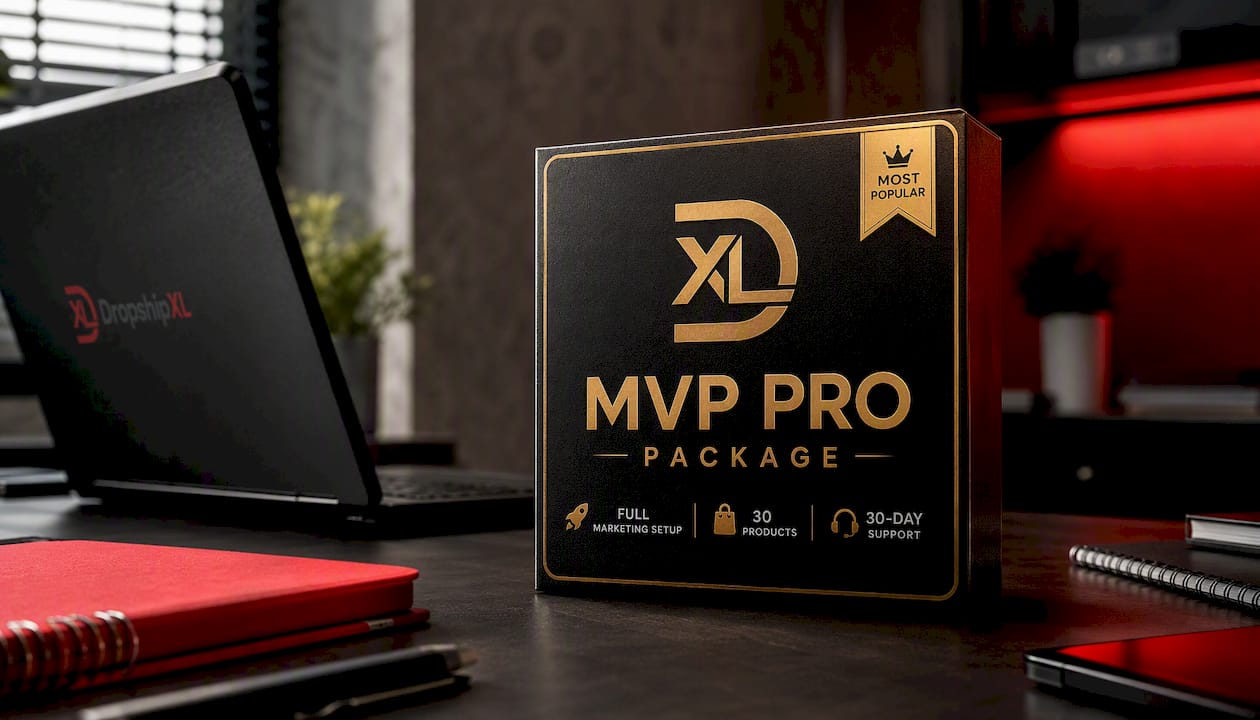
The package covers store setup, supplier approval guidance, and marketing training, so you are not stitching together tutorials from five different sources while your launch window slips. It fits founders who have already validated a niche and want a professional storefront now instead of spending weeks learning design software.
If you want the full curriculum alongside the build, the DropshipXL Academy Membership covers my entire 7-step process. For a smaller first step, DFY Focus 1 and one-page sales design builds a single high-converting page you can test before committing to a full store build.
If you want a second set of eyes on your branding plan before you order a single sample, I would be glad to be that person for you. Book a Free 30-minute dropship mentoring call, bring your audience, your top product idea, and your target launch date, and we will decide together where your branding budget goes first.
Frequently Asked Questions
Can you dropship branded items?
Yes. Many suppliers support blind dropshipping and custom packaging add-ons, letting you sell under your own store identity even though the supplier manufactures and ships the product.
How do you get into branded dropshipping?
Start by validating a niche with a low-cost ad or landing page test, then order samples from two or three suppliers before investing in logo design, product photography, and packaging inserts.
What are the top dropshipping product categories for branding?
Apparel and print-on-demand goods, accessories, home decor, beauty and personal care, fitness gear, and small electronics accessories tend to perform best because branding visibly raises their perceived value.
How much does it cost to start branded dropshipping?
Early costs typically include expenses for a logo, product photography, and email templates, with many founders delaying custom packaging until order volume justifies it.
Branded dropshipping vs private label: which should I start with?
Start branded if you are testing with under a few thousand dollars, since you avoid inventory risk and large minimum order quantities. Move to private label once a specific product has validated demand and your margins justify holding stock.

Here are 4 other ways I can help you when you're ready: