
Watch dropship suppliers generally fall into three buckets. Each one changes your margins, your branding options, and how much risk you are carrying.
Marketplace-style suppliers list thousands of SKUs with no minimum order and instant access. Quality control is inconsistent and you are often competing with dozens of other stores selling the exact same listing.
Wholesalers and manufacturers (sometimes called white-label or ODM suppliers) let you put your own branding on watches and negotiate better unit pricing. You will usually need to place a sample order first and build the relationship before volume discounts kick in. See my guide on branded dropshipping for the full playbook on this path.
US-based fulfillment and watch-specialist fulfillers hold inventory domestically. That cuts shipping time dramatically and avoids the customs delays that hit overseas drop shipments. The Watchman Advisors US dropshipping suppliers directory is where I send students who want faster domestic shipping for higher-ticket watches.
Here is how to match supplier type to your goals:
- Choose marketplace suppliers when you are testing a new niche cheaply and do not need brand differentiation yet.
- Choose white-label or ODM manufacturers when you want a recognizable brand and can commit to a sample order and a modest minimum run.
- Choose US-based specialist fulfillment when you are selling higher-ticket watches where slow shipping or a customs hold would tank your reviews.
- Avoid any supplier that refuses to provide a business address, invoice history, or sample unit before you commit to listing their product.
Your risk tolerance and price point should drive this choice more than margin alone. A $40 fashion watch tolerates more supply chain uncertainty than a $300 piece that a customer will scrutinize closely on arrival. For how this plays out in your profit math, see my dropshipping profit calculator guide.
Practical supplier vetting checklist for watch dropshippers
Before you list a single watch, run every supplier through the same sequence. Skipping steps is how sellers end up with chargebacks, FTC complaints, or a customs seizure notice.
- Request authentication proof. Ask for serial numbers, manufacturer invoices, or an authorization letter showing the supplier is permitted to sell the brand.
- Confirm the fulfillment model. Find out whether packing is branded, who handles returns, and whether there is a US-based return address available.
- Check inventory reliability. Look for a live API feed or regularly updated stock file so you are not overselling watches that are already out of stock.
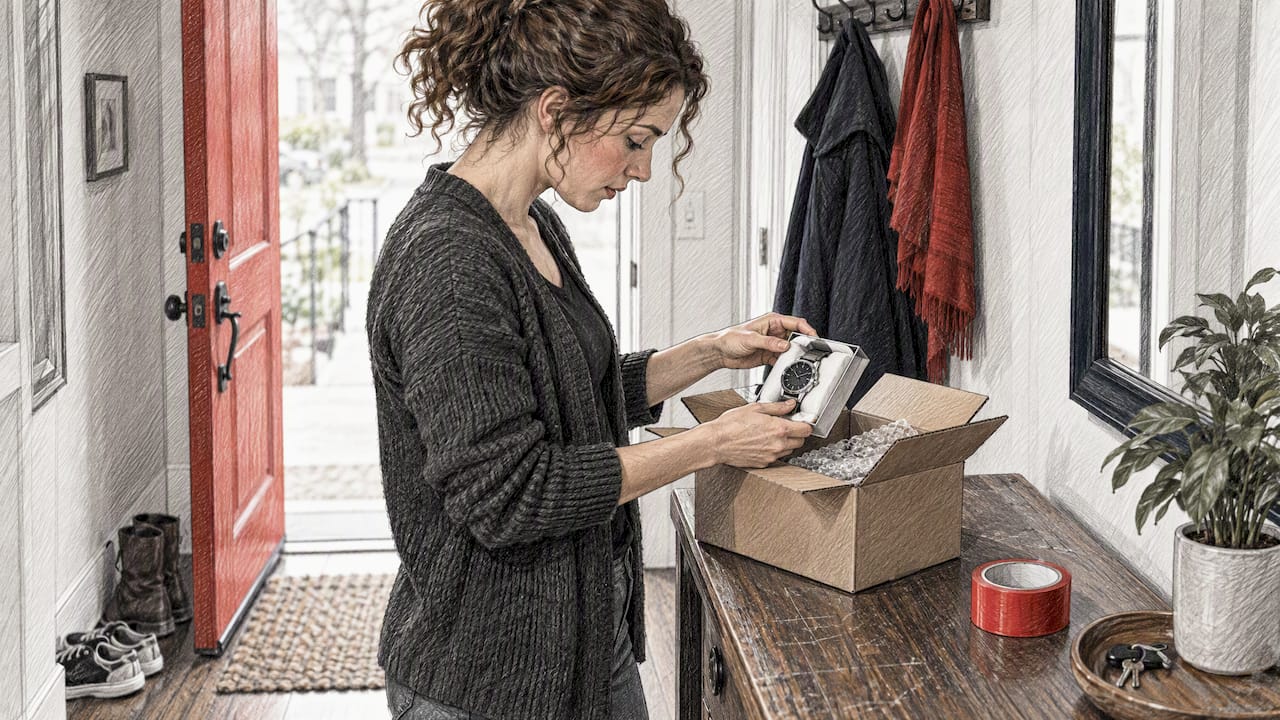
- Place a sample order. Buy one unit yourself. Track the shipping time. Inspect the packaging and product quality before you commit.
- Reconcile payment to fulfillment. Confirm the supplier ships what you paid for, on the timeline promised, every time. Not just on the first order.
- Read the contract terms closely. Know in advance who absorbs the cost if a shipment is seized at customs, whether the supplier carries insurance, and how chargebacks are split.
My guide to finding suppliers that actually deliver walks through this process in more detail if you want a longer reference.
Mentor Tip. I have my students order the sample under their business name and shipping address, not a personal account. That way you see exactly what your customer will see, from the shipping label to the packing slip.
Shipping, legal, and authenticity risks you cannot ignore
Watches sit near the top of the list for both legal exposure and customs risk. Both problems trace back to the same root cause. Weak supplier documentation.
On the legal side, the FTC holds sellers responsible for the shipping promises made on their store. The Mail Order Rule requires you to ship within 30 days if you have not stated a different timeframe. The FTC’s guidance on internet advertising is explicit that advertising claims must be substantiated. The seller, not just the supplier, carries that liability.
On the customs side, watches are a frequent target for seizure. CBP has intercepted shipments of counterfeit watches with combined multi-million-dollar MSRPs in single busts. That one statistic should change how you think about any supplier who cannot produce manufacturer paperwork. For how these disputes often turn into chargebacks on your merchant account, see my chargeback prevention guide.
To lower your exposure:
- Prefer suppliers who provide documented provenance over anonymous overseas sellers.
- Favor insured shipments and US-based fulfillment for anything priced as a luxury or branded watch.
- Write shipping disclosures that state your actual delivery window, not an optimistic guess.
- State plainly on product pages whether a watch is licensed, branded, or a generic fashion piece.
See my returns address compliance guide and my dropshipping legal checklist for the practical side of staying inside FTC expectations.
Pricing and margins: what watch dropshipping actually nets you
Your margin depends heavily on which supplier type you picked above. Price accordingly rather than copying a flat markup across every SKU.
Marketplace suppliers mean thinner margins because competition drives prices down fast. White-label and ODM suppliers support healthier margins once you clear the minimum order. You are not competing against identical listings. US-based fulfillment often costs more per unit but reduces returns and chargebacks. That protects your net margin even if your gross margin looks slightly lower on paper.
A simple way to think about net margin. Take your selling price. Subtract the unit cost. Subtract shipping and estimated return costs. What is left is what you actually keep.
- Price trendy, lower-cost fashion watches for volume and faster turnover.
- Price branded or licensed watches for trust, with clear authenticity disclosures that justify the higher ticket.
- State your shipping window plainly at checkout to head off disputes before they start.
- Track your return rate by supplier, not just by product, since supplier reliability drives most of your refund costs.
What actually works at scale
Staged testing beats bulk ordering every time. Buy small sample quantities across two or three candidate suppliers for the same watch style. Track delivery time and customer response. Commit volume only to the one that performs. Rotating test SKUs this way keeps your capital safer while you figure out which supplier relationship is worth deepening.
For higher-ticket watches, vetted US-friendly fulfillment partners matter more as you scale. A single slow or seized shipment costs you far more in refunds and wasted ad spend than the unit price of the watch itself.
Mentor Tip. I have my students keep a short list of three vetted suppliers per SKU. A single supplier failure never takes down a whole product line. That one habit separates sellers who scale from sellers who stall.
Testing small before you commit large is the cheapest insurance policy in dropshipping. See my guide on scaling dropshipping to a full-time business income for how to pace this testing as your store grows.
How I help you find vetted watch suppliers and launch compliant listings
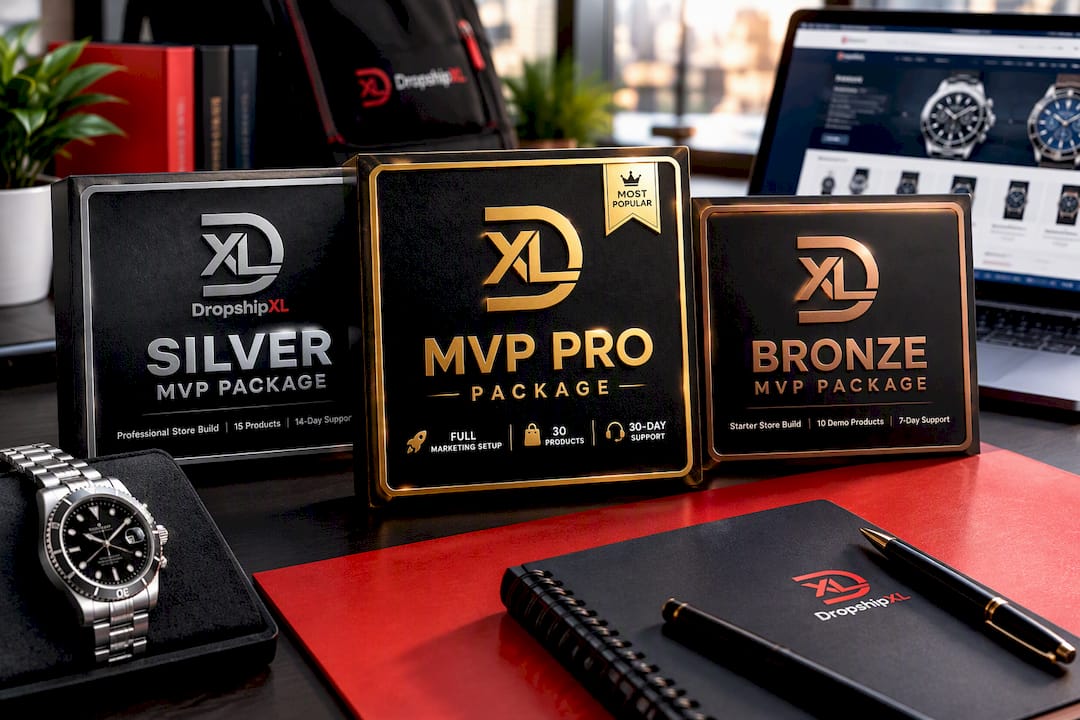
I built the MVP PRO Dropship Design Package to shorten the distance between picking a watch niche and having a compliant, supplier-ready store live. Instead of spending weeks vetting suppliers alone, you get a done-for-you build that bakes in the sourcing standards above.

- Vetted-supplier introductions so you are not starting your authenticity checks from zero.
- Templated product pages that already reflect FTC-aligned shipping and authenticity disclosures.
- Fulfillment guidance tailored to the supplier type you choose, marketplace, white-label, or US-based.
If you would rather build the skills yourself first, my 7-step mentoring curriculum covers supplier sourcing in depth. For direct feedback on a specific supplier relationship, book a Free 30-minute dropship mentoring call with me and we will look at your supplier shortlist together. Explore the MVP PRO Dropship Design Package to get your watch store built on a compliant, supplier-vetted foundation.
FAQ
Who is the highest paid dropshipper?
There is no publicly verified, authoritative ranking of dropshipping income. Most figures come from unverified self-reported claims rather than audited data. What is clear from practitioner experience is that the sellers who earn the most consistently are the ones who treat supplier vetting and compliance as seriously as marketing.
What watch does Elon Musk wear?
This question does not have a publicly documented, sourced answer, and it is not relevant to building a watch dropshipping business. What matters for your store is sourcing from suppliers who can prove authenticity, not chasing trends tied to a particular public figure.
How does Spocket work?
Spocket is a supplier marketplace that connects online sellers to a catalog of dropship products, including watches, often with US and EU-based suppliers. Like any marketplace supplier, it still requires you to run your own authenticity and shipping-time checks before listing a product.
Can I dropship with $0?
You can start researching products and setting up a store with minimal upfront spend. Most dropshippers still need some budget for a sample order, a platform fee, or basic ad testing. A completely free launch is rare in practice. Even placing one verification order with a supplier costs money.
How do I check if a watch supplier is legitimate?
Ask for manufacturer invoices, serial numbers, or an authorization letter. Confirm the claim by placing a small sample order yourself. Pair that with checking whether the supplier offers a US-based return address and transparent inventory data, as outlined in my supplier vetting checklist.
Vet the supplier. Order the sample. Disclose the facts on the page. In that order. — Trent

Here are 4 other ways I can help you when you're ready: